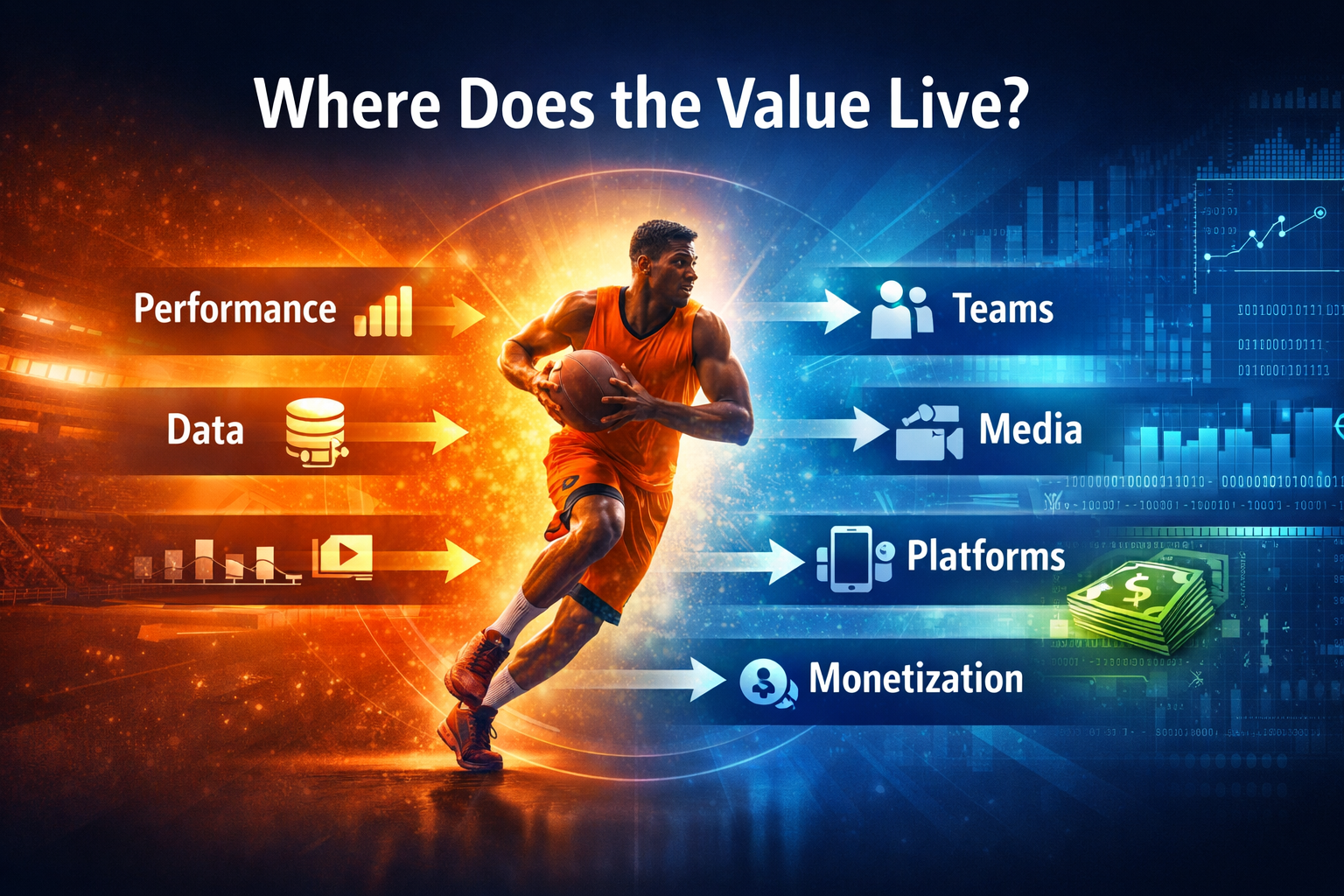
Measurement Does Not Mean Understanding (Part 1)
Measurement Does Not Mean Understanding
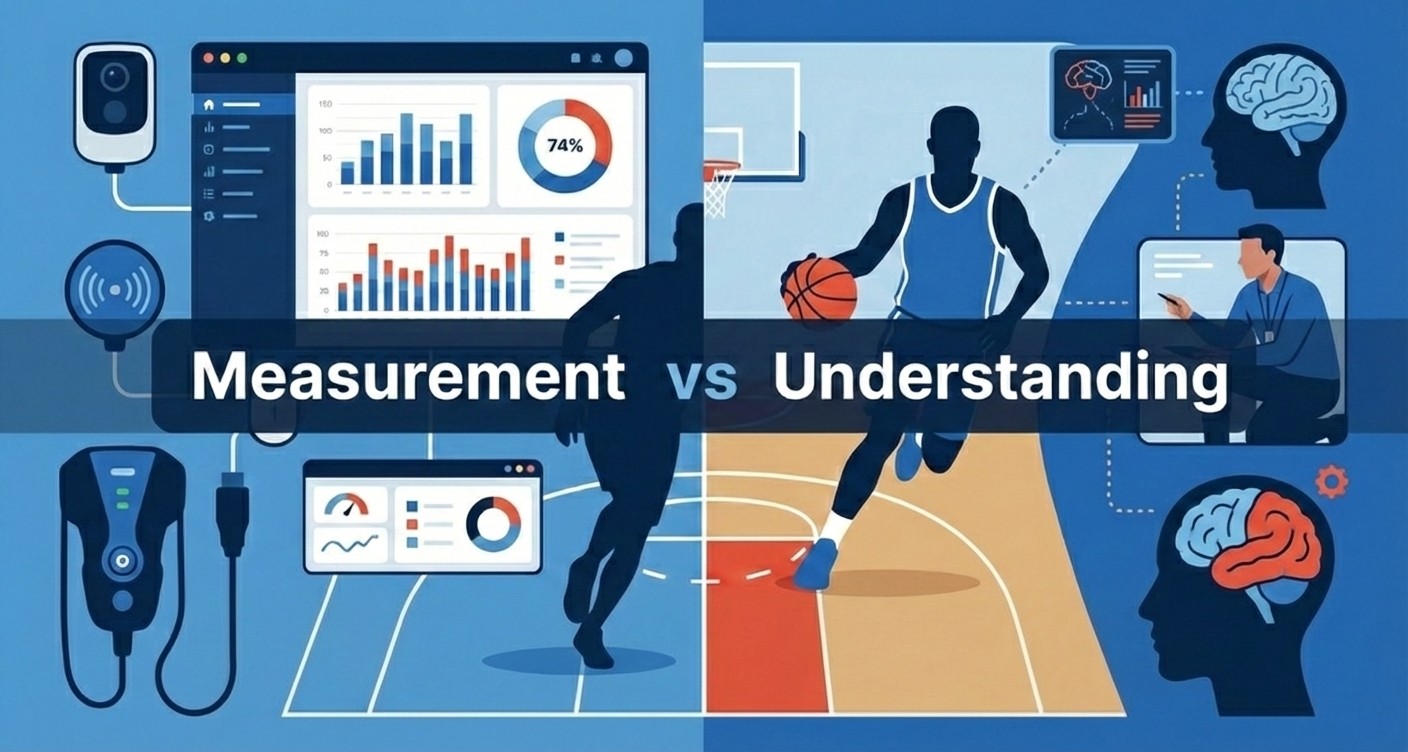
What most people misunderstand about sports technology right now is that we have confused measurement with understanding.
We have become incredibly good at collecting data, but far less capable of capturing the most important data of all. Live human performance. What happens inside the athlete before execution, during pressure, and after performance.
The industry has optimized for what sensors can detect, not for what humans actually experience.
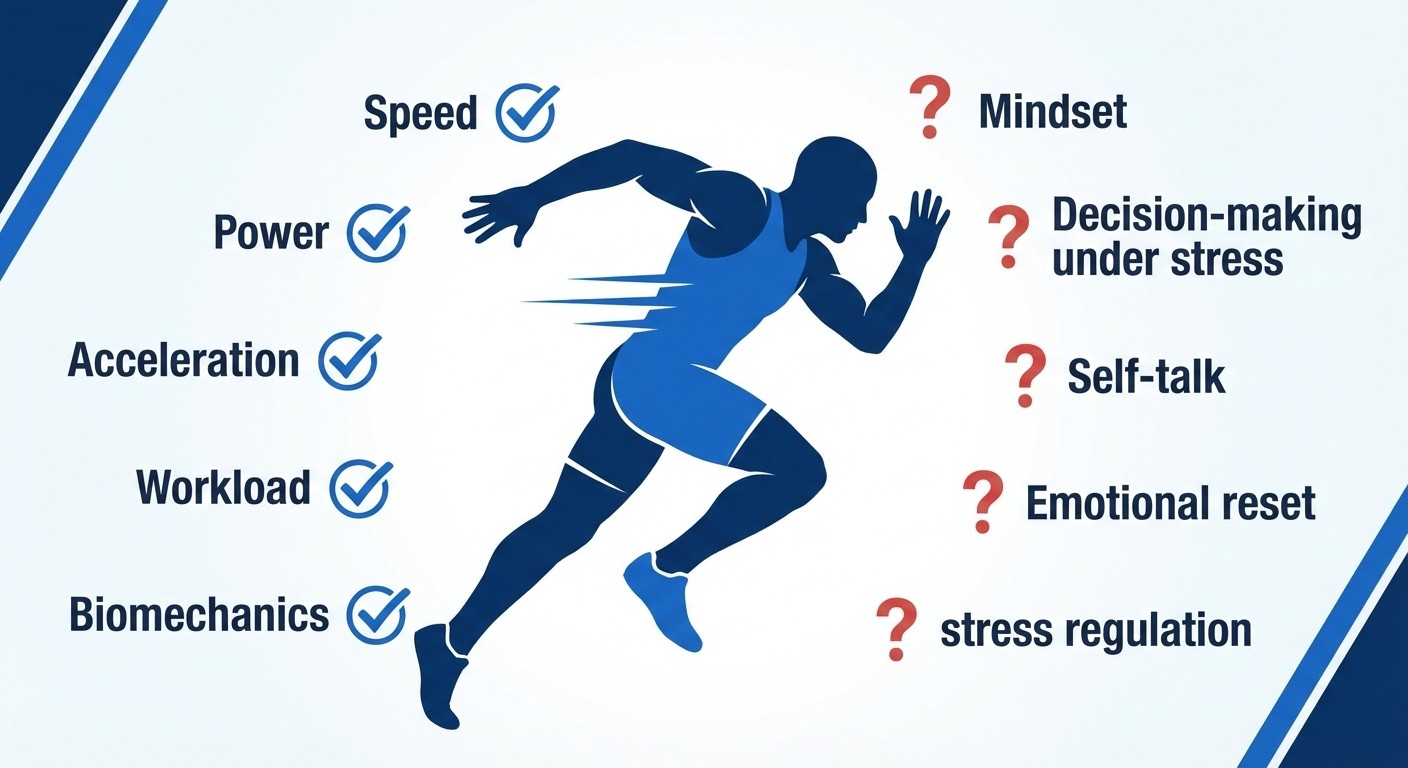
What we measure versus what drives performance
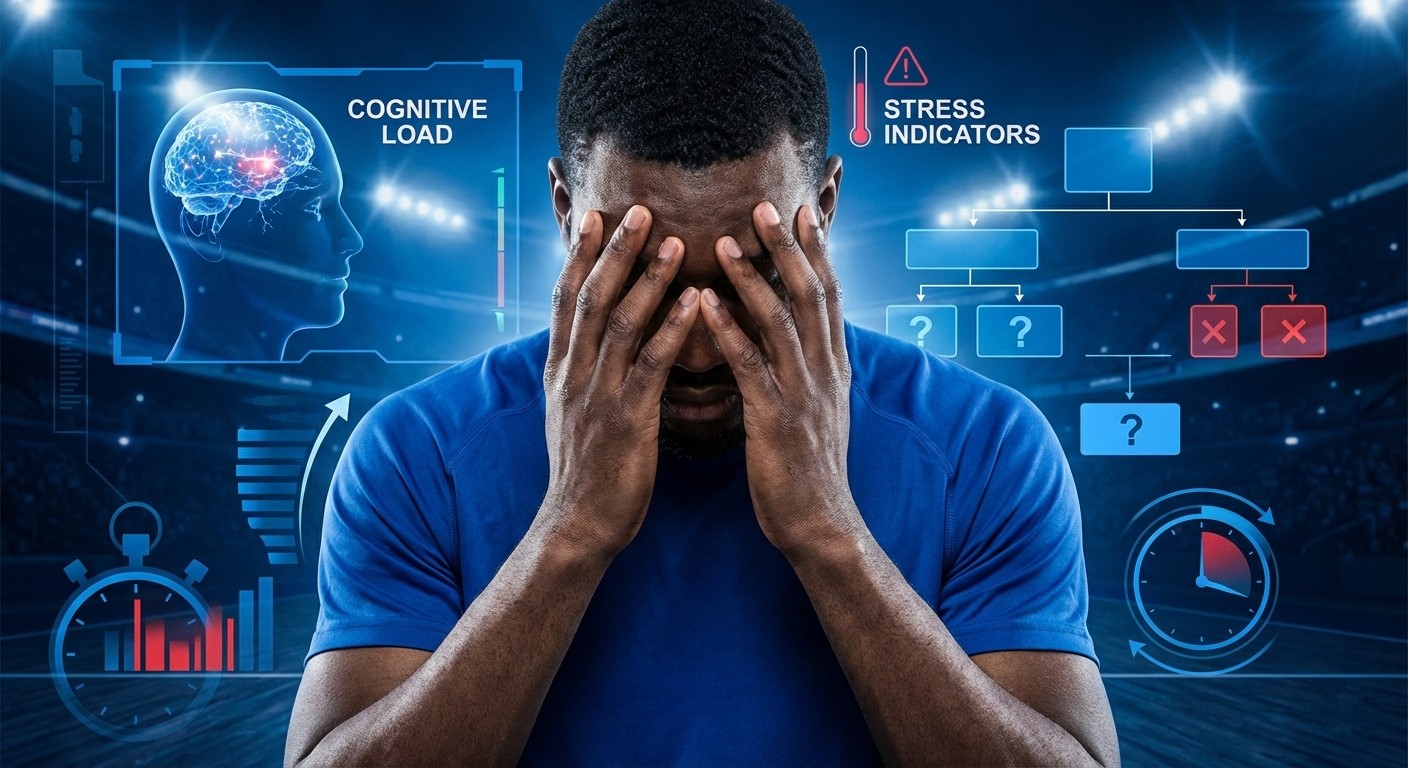
We measure movement, output, and physical load with precision. But we still cannot meaningfully measure pre performance thought processes, in the moment decision framing, visual perception under speed, emotional regulation under pressure, or how an athlete cognitively resets after success or failure. These internal processes are not edge cases. They are the drivers of performance.
This forces us to confront two distinct but connected problems in sports technology.

The first problem: Mental performance data
The first is mental performance data. The data that does not yet exist in structured, scalable ways. The cognitive and emotional layers of performance that are lived in real time and rarely captured with context or fidelity. This data cannot be generated by machines alone. It requires articulation, reflection, and interpretation from individuals who have actually performed and coached at high levels.
The second problem: How we use existing data
The second problem is how we use the data we already have.
There is already a massive amount of performance data available across sports. What is missing is not access, but understanding. And understanding does not come from intuition alone.
Turning raw performance data into meaningful insight requires more than technical skill. It requires strategy.
You need to know how data is structured, how signals are separated from noise, how pipelines are built, how models are trained, and how AI systems are integrated. But you also need to know which questions are worth asking in the first place, which metrics actually matter, and how insights should influence decisions in real environments.
This is where most systems fail. They are technically sound but strategically shallow.
The quiet reality
A quiet reality in sports technology is that much of today’s performance data is being analyzed by people who have never actually competed at a high level. They understand the numbers, but not the moments those numbers come from. Without having lived inside pressure, fatigue, and real time decision making, it is easy to misinterpret what the data is actually saying.
Most of the research and models shaping performance technology today were developed by observing athletes, not by researchers who lived inside elite competition themselves.
This is ultimately a humanist problem, not just a technologist one.
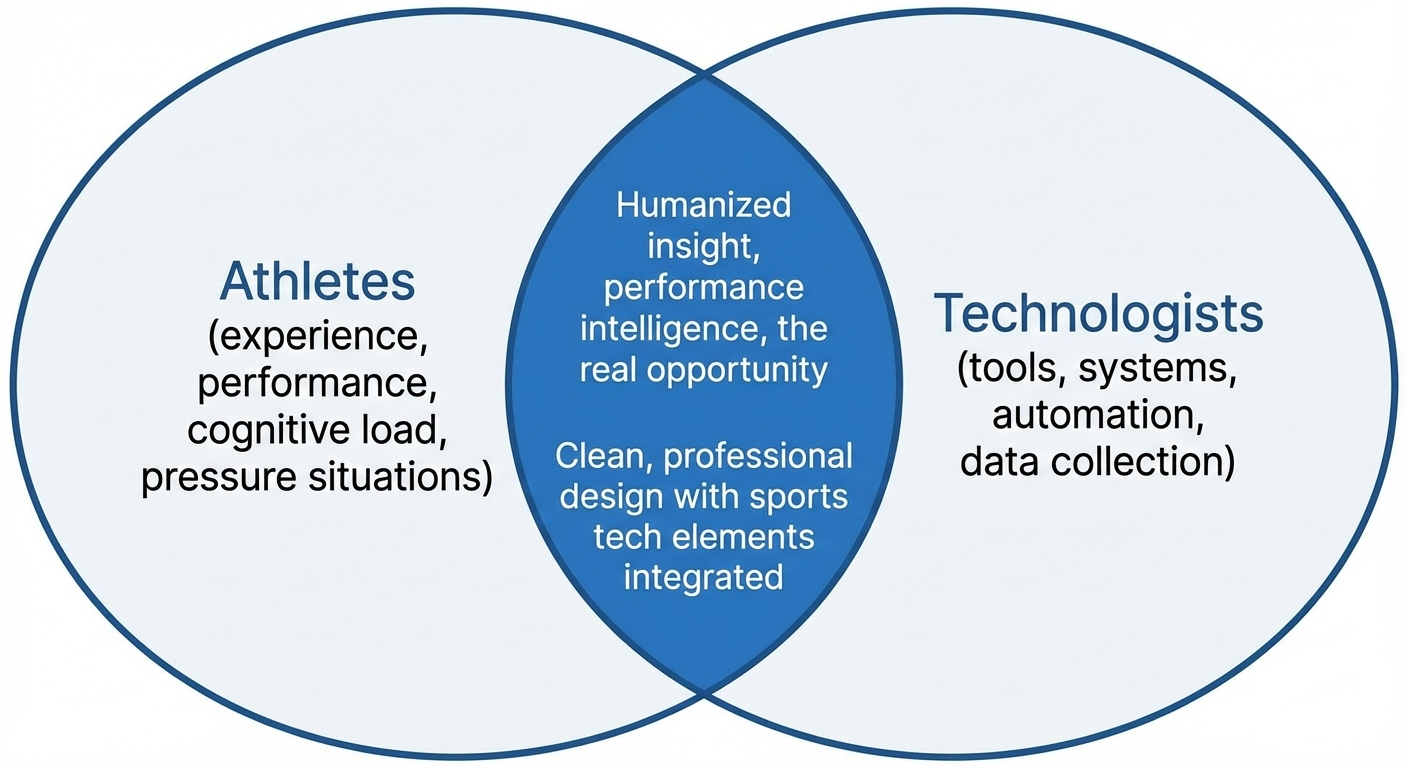
Technologists are exceptional at building systems, models, and infrastructure. Humanists understand lived experience, meaning, perception, and decision making under pressure. Performance lives at the intersection of both.
When performance technology is built without humanist insight, it scales measurement without understanding. When human insight exists without technical execution, it cannot scale at all.
At the same time, many athletes and coaches have deep intuitive understanding of performance but lack the technical and strategic fluency to translate that understanding into scalable systems.
Data without context leads to false confidence. Context without technical execution does not scale.
The future belongs to people who can do both.
The rare combination
People who can think the way a high level athlete thinks in competition and also think the way a data engineer, analyst, or modeler thinks when building systems. People who can blend quantitative data with qualitative insight and apply it in a way that actually changes outcomes.
That combination is rare.
It requires understanding performance from the inside, understanding data from the inside, and having the strategic discipline to connect the two. Not just to analyze what happened, but to decide what to do next.
This is why performance technology quietly breaks down in critical moments.
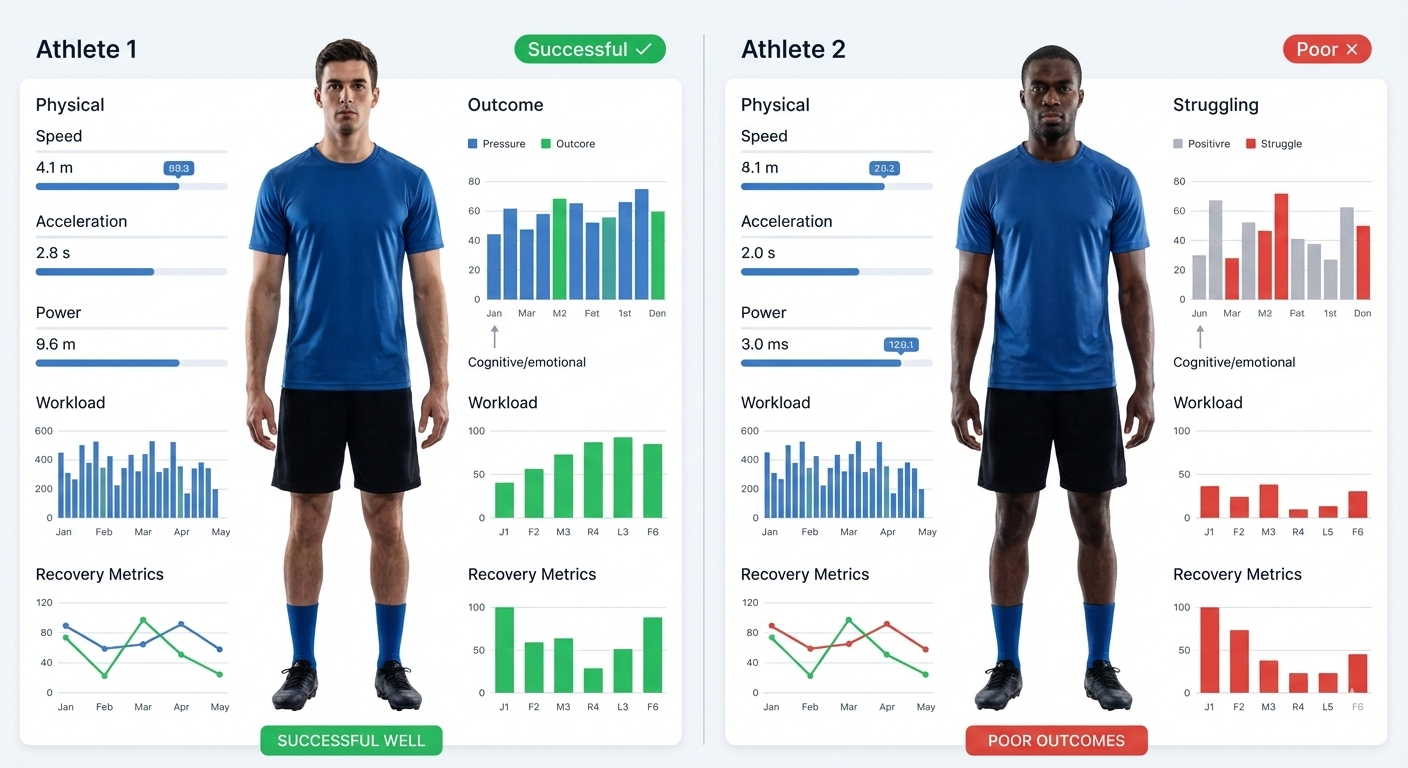
Two athletes can have identical physical profiles, identical preparation, and identical data inputs, yet perform completely differently under pressure. That difference is not captured in a dashboard. It lives in cognition, perception, emotion, and decision making.
No one understands this better than the athlete. No one misunderstands it more than someone who has never been inside high pressure performance.
The overlap opportunity
Athletes and coaches are starting to enter the technology space, but often without deep exposure to data systems, modeling, or infrastructure. Technologists are building powerful tools, but often without lived experience of competition or strategic performance decision making. On their own, both perspectives are incomplete.
The real opportunity lives in the overlap.
This mirrors what we are seeing in artificial intelligence. Many models are trained on abundant, low friction data rather than high integrity data. Some of the most valuable training data for real time human performance does not live online or in databases. It lives in the minds of elite performers.
Athletes are especially valuable because outcomes are unpredictable. Unpredictability is where learning happens. If you can understand how an athlete thinks, adapts, and executes in chaos, you gain insight that applies far beyond sports.
Sports remains the cleanest laboratory we have for studying human execution under pressure.
As robotics and AI systems move toward higher levels of autonomy, the hardest problem will not be movement. It will be decision making under uncertainty.
The data ownership risk
There is also a growing risk that is not discussed enough. Athletes and coaches are giving away massive amounts of physical and mental data without understanding how it is monetized downstream. Mental performance has economic value. Physical performance has economic value. Together, they represent elite intellectual property.
Athletes and coaches are not just performers. They are data originators.
What comes next
The future of sports technology is not another dashboard or sensor. It is a deeper understanding of how humans perform when it matters most, supported by systems, models, and strategy that respect both the data and the human behind it.
Shameless plug
This intersection of humanist performance understanding and technologist execution is exactly where I spend my time. If you are building technology, investing in performance, or working with athletes and coaches and want to explore how mental performance data and advanced analytics can actually be applied in the real world, I am open to the conversation.
This is Part 1 of a broader conversation. In Part 2, I will explore how the shift from purely technical thinking toward human centered performance systems extends far beyond sports and why it may shape the future of human performance altogether.
That is the opportunity most people are missing. And it is the one I am building toward.